BPC-157
Body Protection Compound-157 is one of the most extensively studied healing peptides, demonstrating remarkable regenerative properties across multiple organ systems in preclinical research.
25 min read · Last updated March 2026 · 100+ research citations
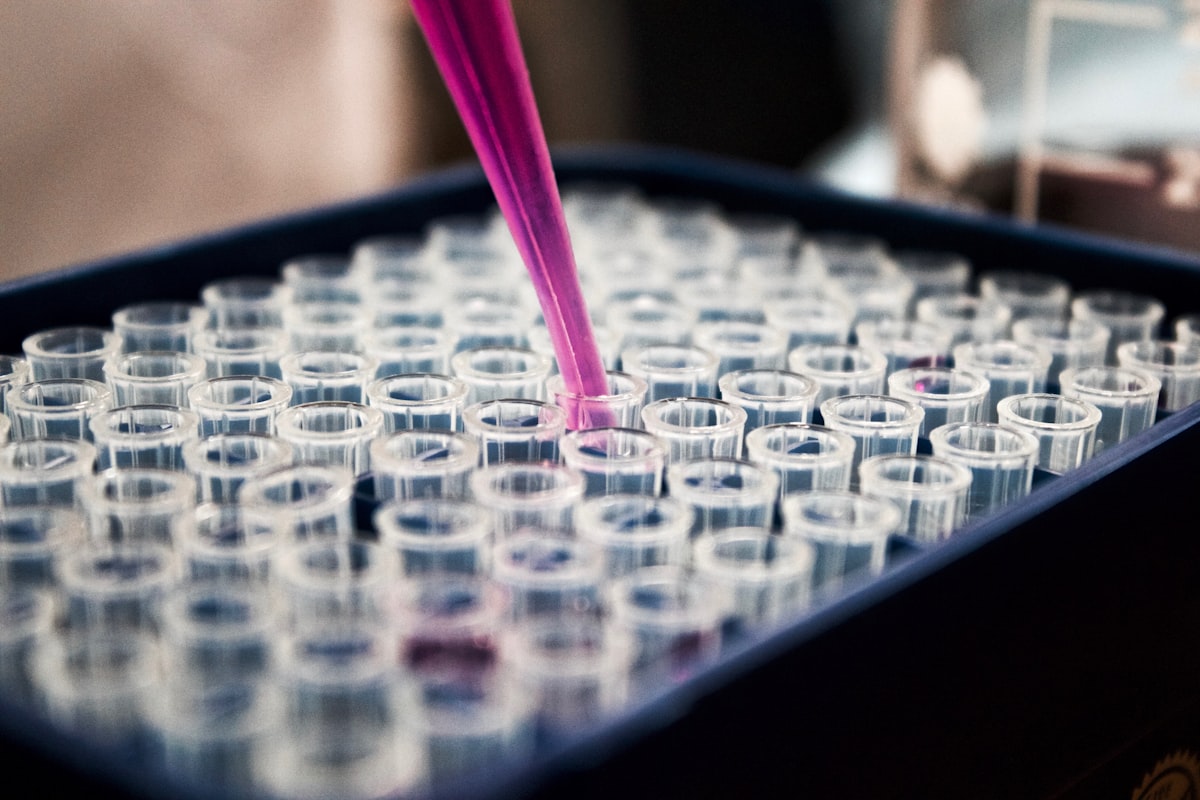
Research Use Only: BPC-157 is not approved by the FDA or any regulatory agency for human therapeutic use. All information presented here is based on preclinical research and is intended for educational purposes only.
Key Takeaways
Overview
What is BPC-157?
BPC-157, or Body Protection Compound-157, is a synthetic pentadecapeptide consisting of 15 amino acids. It is derived from a larger protective protein naturally occurring in human gastric juice, which plays a crucial role in maintaining the integrity of the gastrointestinal tract.
Discovery and Origins
The discovery of BPC-157 emerged from research conducted at the University of Zagreb in Croatia during the late 1980s and early 1990s. Researchers led by Dr. Predrag Sikiric observed that certain peptide fractions isolated from gastric juice possessed remarkable protective properties against various forms of tissue damage.
The gastric juice, produced by the stomach lining, contains numerous protective factors that help maintain mucosal integrity despite constant exposure to hydrochloric acid and digestive enzymes. Among these factors, researchers identified a specific protein sequence that demonstrated exceptional cytoprotective capabilities.
BPC-157 represents a partial sequence of this larger parent protein, specifically engineered to retain and potentially enhance the protective properties of the full compound. The "157" designation refers to its specific peptide sequence identification within the research nomenclature.
Natural Occurrence and Synthesis
While the parent protein from which BPC-157 is derived occurs naturally in gastric secretions, the specific 15-amino acid sequence that constitutes BPC-157 is produced synthetically for research purposes. The natural concentration of this sequence in gastric juice is extremely low, measured in nanogram quantities, necessitating synthetic production for research applications.
The synthetic production of BPC-157 involves solid-phase peptide synthesis (SPPS), a standard method for producing research-grade peptides. This process allows for the creation of highly pure compounds suitable for scientific investigation.
Since initial characterization, spanning multiple organ systems and pathological conditions
Chemistry
Molecular Structure & Properties
Amino Acid Sequence
This sequence does not correspond to any other known native peptide in human body databases, making BPC-157 a unique synthetic construct derived from, but distinct from, its parent protein.
Physical Properties
Stability Characteristics
One of the most notable properties of BPC-157 is its exceptional stability compared to other peptides, particularly in acidic environments.
Variants and Forms
Both forms demonstrate similar biological activities in research settings.
Science
How BPC-157 Works
The mechanisms through which BPC-157 exerts its effects are complex and involve multiple interconnected pathways
Nitric Oxide System Modulation
The nitric oxide system plays a central role in BPC-157's mechanism. NO is a crucial signaling molecule involved in vasodilation, angiogenesis, immune function, and tissue repair.
- Endothelial NOS (eNOS)
- Neuronal NOS (nNOS)
- Inducible NOS (iNOS)
BPC-157 can either upregulate or downregulate NO production depending on tissue context and pathological state—a bidirectional modulation that contributes to its protective effects.
Growth Factor Upregulation
BPC-157 has been shown to increase expression of several growth factors critical for tissue repair and regeneration.
Angiogenesis Promotion
Enhanced blood vessel formation observed in wound healing, tendon repair, muscle injury, and gastric ulcer healing studies.
FAK-Paxillin Pathway
Activates focal adhesion kinase pathway crucial for cell migration, adhesion, and tissue organization.
Dopamine System
Demonstrated interactions showing protective effects against dopaminergic neurotoxins and receptor modulation.
Cytoprotection
Stabilizes cellular membranes and reduces oxidative stress through heat shock proteins and antioxidant enzymes.
Additional Mechanisms Under Investigation
Effects on GABAergic neurotransmission may contribute to observed anxiolytic and neuroprotective properties
Modulation of serotonergic pathways with potential implications for mood and GI function
Some research indicates interactions that may relate to pain modulation
Evidence
Research Overview
BPC-157 has been investigated across numerous organ systems and pathological conditions
Gastrointestinal Research
40+ studiesThe gastrointestinal tract represents the most extensively studied application of BPC-157, consistent with its origin from gastric juice.
Tendon, Ligament & Muscle Research
30+ studiesOne of the most promising research applications, showing accelerated healing across multiple injury types.
Neurological Research
20+ studiesCardiovascular Research
15+ studiesBone Healing Research
10+ studiesApplications
Potential Benefits
Based on preclinical research. Human efficacy has not been established through clinical trials.
Gastrointestinal Protection
- Acceleration of gastric and intestinal ulcer healing
- Protection against NSAID-induced damage
- Anti-inflammatory effects in bowel disease models
- Enhanced mucosal barrier function
Musculoskeletal Repair
- Acceleration of tendon and ligament healing
- Improved muscle regeneration following damage
- Enhanced bone healing in fracture models
- Better tissue organization and reduced fibrosis
Neuroprotection
- Protection against neurotoxin-induced damage
- Enhanced peripheral nerve regeneration
- Potential CNS protective effects
- Modulation of neurotransmitter systems
Cardiovascular Effects
- Cardioprotection in ischemia models
- Blood pressure modulation
- Enhanced vascular healing
- Potential antiarrhythmic properties
Important Caveats
- All benefits based on animal and in vitro research
- Human efficacy has not been established
- Translation from animal models not guaranteed
- Optimal dosing for humans is unknown
- Long-term safety in humans not evaluated
- Not approved for any medical condition
Protocols
Dosage Information
Derived from published animal research. These are not human dosing recommendations.
Research Protocol Dosages
Systemic Administration (Injection)
- • Typical range: 10-50 mcg/kg body weight
- • Most common: 10 mcg/kg IP or SC
- • Higher doses (250 mcg/kg) in specific protocols
Local/Perilesional Injection
- • Often used near injury sites
- • Typical range: 2-10 mcg applied locally
- • Sometimes combined with systemic administration
Duration of Treatment
Critical Notes
- No established human dosage - these are animal research doses only
- Direct extrapolation from animals to humans is not scientifically valid
- Individual variation in response is expected
- Not medical advice - consult qualified researchers
Methods
Administration Routes
Subcutaneous
Between skin and muscle
- Relatively simple technique
- Slower absorption than IM
- Common site: abdominal region
- Used for both local and systemic effects
Intramuscular
Directly into muscle tissue
- Faster absorption than SC
- Higher local concentrations
- Used for muscle-specific effects
- May provide systemic distribution
Intraperitoneal
Into abdominal cavity
- Rapid absorption
- Standard for rodent studies
- Allows systemic distribution
- Not typically used in humans
Oral
Taken by mouth
- Non-invasive route
- BPC-157's acid stability enables this
- May require higher doses
- Relevant for GI applications
Topical
Applied to skin surface
- Local delivery to wounds
- May use carriers or gels
- Limited systemic absorption
- Wound healing research focus
Local/Perilesional
Near injury site
- High local concentration
- Lower systemic exposure
- Used in tendon/muscle studies
- Enhanced local effects reported
Safety
Side Effects & Safety Profile
Animal Study Findings
Good tolerability in the majority of published studies with minimal reported adverse effects
No lethal dose (LD50) established, suggesting wide safety margin. High-dose studies show no significant acute toxicity
No sedation or motor impairment at standard doses. Some anxiolytic effects without sedation
No significant effects on body weight, food/water intake, or standard blood chemistry in available studies
Theoretical Concerns & Limitations
Angiogenesis and growth factor promotion raises theoretical concerns. No direct evidence of tumor promotion, but limited long-term studies.
Potential immunomodulatory effects not fully characterized. Long-term immune function effects unknown.
Potential interactions with cardiovascular meds, NO system drugs. Limited systematic interaction studies.
No completed human clinical trials. Human safety profile not established. Long-term effects unknown.
Contraindications
Who Should NOT Use BPC-157
Absolute Contraindications
Relative Contraindications (Caution)
Comparisons
BPC-157 vs Other Peptides
BPC-157 vs TB-500 (Thymosin Beta-4)
| Characteristic | BPC-157 | TB-500 |
|---|---|---|
| Origin | Derived from gastric juice | Naturally in most tissues |
| Size | 15 amino acids | 43 amino acids |
| Primary Focus | GI healing, tendon repair | Wound healing, cardiac |
| Mechanism | NO system, growth factors | Actin sequestration |
| Oral Stability | ✓ Acid-stable | ✗ Not orally active |
Some researchers investigate combinations ("Wolverine Stack"), hypothesizing synergistic effects through different mechanisms.
vs GHK-Cu (Copper Peptide)
- • GHK-Cu: Tripeptide with copper ion
- • Primarily topical/cosmetic applications
- • BPC-157: Broader systemic applications
- • Different mechanisms of action
vs IGF-1 LR3
- • IGF-1: Direct anabolic/growth effects
- • BPC-157: Multiple indirect pathways
- • Different risk profiles
- • Different primary applications
Unique Characteristics of BPC-157
FAQ
Frequently Asked Questions
Critical Analysis
Current Research Limitations
Lack of Human Trials
No completed Phase III human clinical trials. Human efficacy and safety not established. Optimal dosing unknown.
Geographic Concentration
Majority of research from University of Zagreb group. Limited independent replication by other labs worldwide.
Study Quality Variations
Variable study designs and outcome measures. Limited standardization. Sample sizes typical for animal research.
Publication Bias
Negative or null results may be underreported. Need for systematic reviews and meta-analyses.
Mechanism Understanding
Multiple proposed mechanisms not fully integrated. Dose-response relationships not fully characterized.
Long-Term Safety
Most studies short-term. Chronic effects poorly characterized. Carcinogenicity studies limited.
References
- Sikiric P, et al. (1994). Pentadecapeptide BPC 157 and its effects on a NSAID toxicity model. Dig Dis Sci, 39(8):1641-1649.
- Sikiric P, et al. (1999). Dopamine agonists and brain dopamine system. J Physiol Paris, 93(6):505-512.
- Sikiric P, et al. (2003). Focus on ulcerative colitis: stable gastric pentadecapeptide BPC 157. Curr Med Chem, 10(2):175-186.
- Staresinic M, et al. (2003). Gastric pentadecapeptide BPC 157 accelerates healing of transected rat Achilles tendon. J Orthop Res, 21(6):976-983.
- Krivic A, et al. (2006). Achilles detachment in rat and stable gastric pentadecapeptide BPC 157. J Orthop Res, 24(5):982-989.
- Sikiric P, et al. (2010). Brain-gut axis and pentadecapeptide BPC 157. Curr Neuropharmacol, 8(3):207-231.
- Gjurasin M, et al. (2010). Peptide therapy with pentadecapeptide BPC 157 in traumatic nerve injury. Regul Pept, 160(1-3):33-41.
- Pevec D, et al. (2010). Impact of pentadecapeptide BPC 157 on muscle healing. Med Sci Monit, 16(3):BR81-88.
- Sikiric P, et al. (2011). Stable gastric pentadecapeptide BPC 157: novel therapy in GI tract. Curr Pharm Des, 17(16):1612-1632.
- Seiwerth S, et al. (2012). BPC 157 and standard angiogenic growth factors. Curr Pharm Des, 18(36):5867-5880.
- Tkalcevic VI, et al. (2007). Enhancement by PL 14736 of granulation and collagen organization. Eur J Pharmacol, 570(1-3):212-221.
- Hsieh MJ, et al. (2017). Healing and anti-inflammatory effects in corneal epithelial wounds. Life Sci, 176:44-49.
- Chang CH, et al. (2014). The promoting effect on tendon healing involves outgrowth, survival, migration. J Appl Physiol, 117(7):722-730.
- Sikiric P, et al. (2013). Counteraction of short bowel syndrome. Front Gastrointest Res, 30:108-120.
- Sikiric P, et al. (2016). Stable gastric pentadecapeptide BPC 157 in IBD trials. Curr Pharm Des, 22(9):1081-1090.
- Vukojevic J, et al. (2018). Pentadecapeptide BPC 157 and CNS. Neural Regen Res, 13(12):2063-2065.
- Sikiric P, et al. (2017). Brain-gut axis and BPC 157: update and advances. Curr Neuropharmacol, 15(1):58-76.
- Xue XC, et al. (2004). BPC 157 inhibits melanoma growth. Anticancer Res, 24(2B):953-959.
- Sikiric P, et al. (2006). The gastric pentadecapeptide BPC 157 in cytoprotection. Dig Dis, 24(1-2):148-154.
- Cesarec V, et al. (2013). Pentadecapeptide BPC 157 and esophagocutaneous fistula healing. Eur J Pharmacol, 701(1-3):203-212.
- Sikiric P, et al. (2014). Peripheral nerve regeneration. Neural Regen Res, 9(17):1662-1664.
- Klicek R, et al. (2013). Stable gastric pentadecapeptide BPC 157 heals cysteamine-colitis. J Physiol Pharmacol, 64(5):597-612.
- Sikiric P, et al. (2018). Pentadecapeptide BPC 157 and wound healing in rats. Front Pharmacol, 9:1-12.
- Drmic D, et al. (2018). Counteraction of perforated cecum lesions. World J Gastroenterol, 24(44):5026-5042.
- Sikiric P, et al. (2020). Stable gastric pentadecapeptide BPC 157 and wound healing. Front Pharmacol, 11:569994.
- Seiwerth S, et al. (2018). BPC 157 and blood vessels. Curr Pharm Des, 24(36):4285-4299.
- Vukojević J, et al. (2020). Pentadecapeptide BPC 157 and cardiovascular system. Curr Pharm Des, 26(25):2934-2949.
- Sikiric P, et al. (2021). Pentadecapeptide BPC 157 resolves Pringle maneuver in rats. World J Gastroenterol, 27(10):915-938.
Disclaimer: This pillar page is intended for educational and research purposes only. BPC-157 is a research compound that has not been approved by the FDA for human use. Nothing in this document should be construed as medical advice or a recommendation for use. Always consult with qualified professionals and follow all applicable laws and regulations.
Last updated: March 2026 · Reviewed by: Scientific Aminos Editorial Board
Order BPC-157 Wholesale
US-manufactured, HPLC verified. Available for distributors, telehealth providers, clinics, and research institutions.